
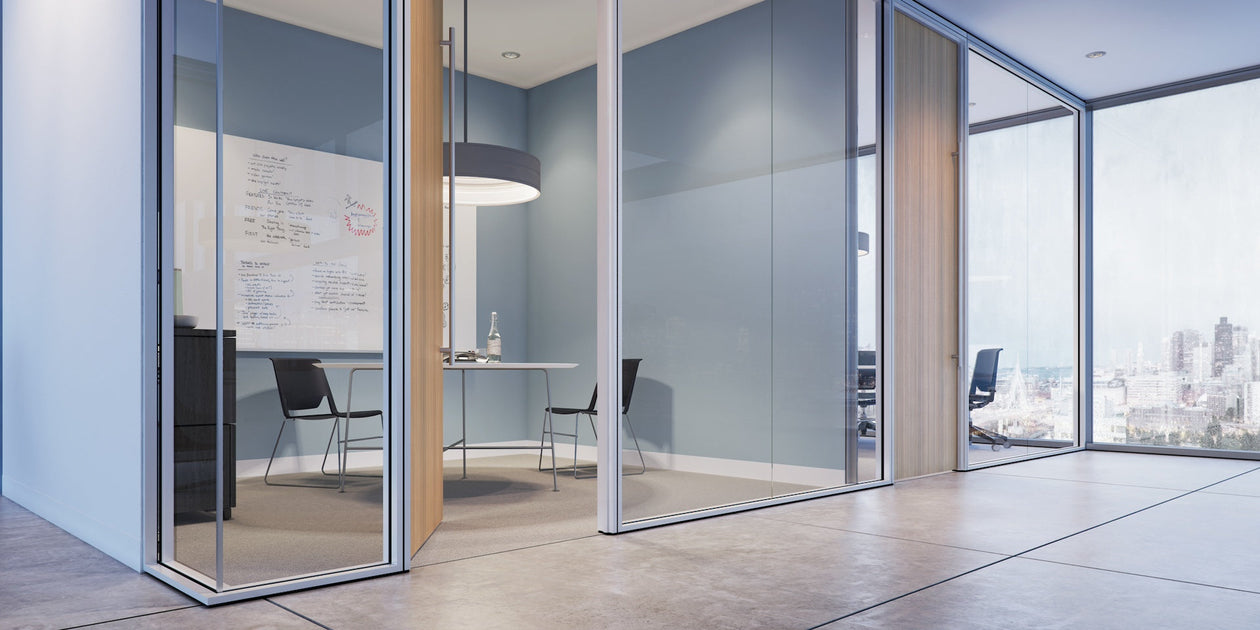
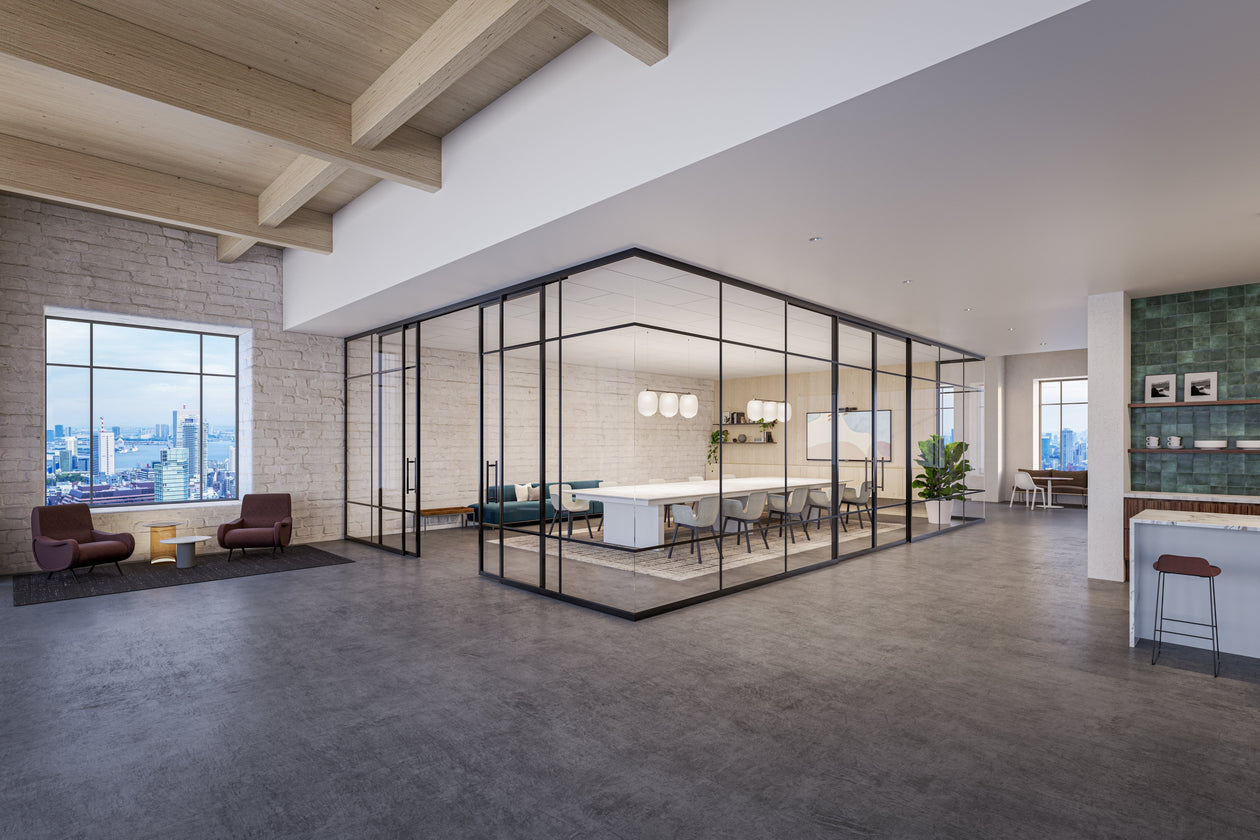

Burnout, mistrust, and disengagement aren't always cultural problems. Sometimes they're architectural ones. The Psychology of Space, Part 2 examines how adaptive environments influence well-being, connection, and collaboration—and why the built environment can become a true partner in performance.
Read More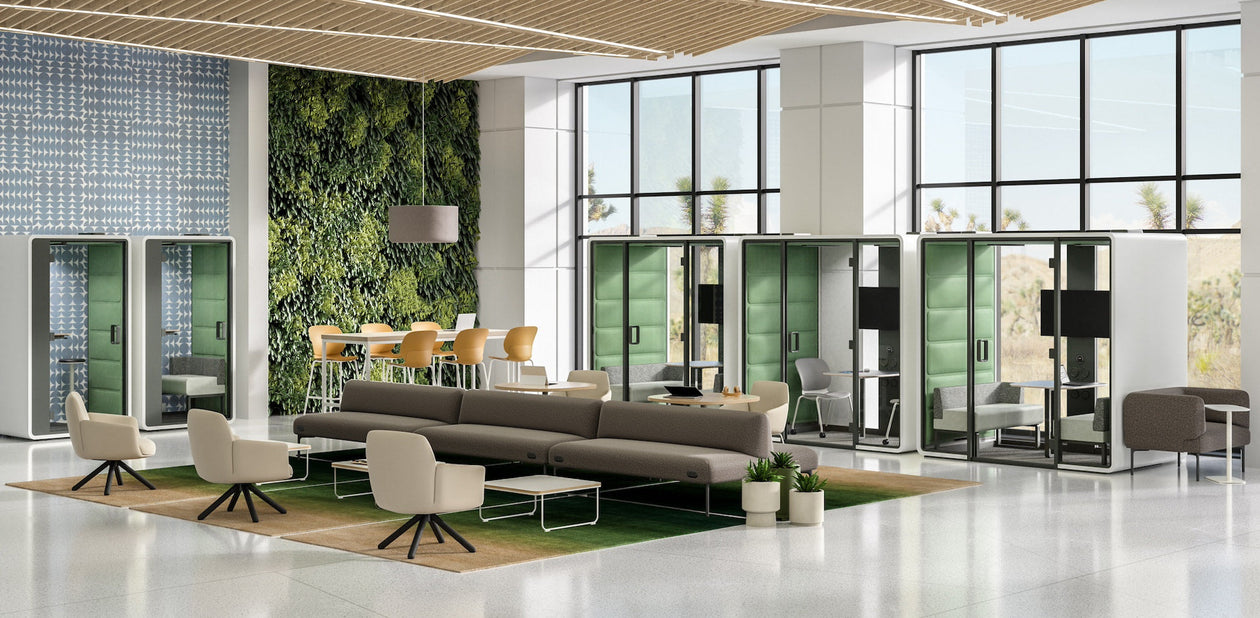

The open office was never the problem; static thinking was. In a hybrid world, where work patterns shift daily, openness must be structured, acoustically disciplined, and capable of change. Beyond the Open Plan explores the new rules of open space to consider why adaptive architecture is the key to making openness actually perform.
Read More
We often assume space is neutral, and that work happens inside it, unaffected by its light, sound, movement, and material. But the environment is always participating. The Environment Is Not Neutral explores how designing for sensory variability and neurodiversity reveals a deeper truth. When architecture adapts to people rather than forcing people to adapt to it, performance steadies and belonging takes root.
Read More
Every shared space creates an audience, intended or not. Acoustics determine whether that audience strengthens participation or undermines it. By tuning environments to protect focus, preserve privacy, and support easy interaction, architecture moves beyond backdrop and becomes an enabler of engagement. This is quiet power at work.
Read More
Most real estate decisions assume that once a space is built, it will hold steady while the organization inside evolves. But in an era defined by constant change, that assumption no longer serves. When the largest investment on the income statement is people—not occupancy—the built environment cannot remain a fixed expense. It must become a performance platform that views space through the lens of human capital and adaptability to access the true economics of the workplace.
Read More
See How We're Rethinking the Built Environment.
Design thinking shaped by how people actually work, learn, and gather.